- TO CHECK THE SITE
- FOR SEO
- TO CHECK THE TRAFFIC

Understanding Crawl Budget: What It Is and How to Optimize It for Effective Indexing by Google
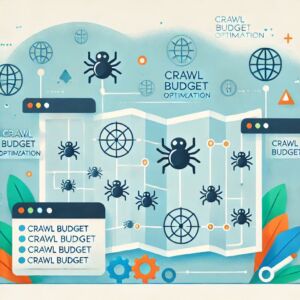 In the ever-evolving world of search engine optimization (SEO), understanding your crawl budget can be a game-changer for website owners and SEO professionals alike. But what exactly is crawl budget? In this article, we’ll explore its definition, importance, and practical strategies to optimize it for better indexing by Google.
1. Introduction to Crawl Budget
Crawl Budget refers to the number of pages that Googlebot, Google’s web crawling bot, will crawl on your site within a given timeframe. It’s a significant factor in how effectively your website is indexed by search engines. Given the limited resources that Google allocates to each site, understanding your crawl budget is essential for ensuring that your most important content gets indexed.
Understanding crawl budget is crucial for maintaining a healthy website and enhancing your visibility in search results. A poor crawl budget management can lead to missed opportunities for better rankings and traffic to your site. In the sections that follow, we will dive deeper into what influences your crawl budget, how you can optimize it, and practical strategies tailored for different user levels.
2. Frequently Asked Questions (FAQ)
What is crawl budget? Crawl budget encompasses two key factors: crawl rate limit and crawl demand. The crawl rate limit is influenced by factors such as your website’s size, server performance, and link structure. The crawl demand reflects the interest web users have in your content, which drives Googlebot’s determination of how often to visit your site.
How does Google determine crawl budget? Google employs complex algorithms and metrics to assess your site’s crawl budget. These include the site’s historical crawl data, server performance, and the overall quality of your pages.
Why does crawl budget matter for SEO? A well-managed crawl budget ensures critical pages on your site are indexed, thereby improving your chances for higher rankings in search engines. Pages that are not crawled won’t appear in search results, which may lead to missed traffic.
What can negatively affect my crawl budget? Several factors can adversely impact your crawl budget, including excessive redirects, broken links, and poorly optimized pages. These issues create friction that can waste your site’s crawl allocation.
How can I find out my site’s crawl budget? You can analyze your crawl data using tools like Google Search Console, which will provide insights into crawl activity and inefficiencies.
Can I increase my crawl budget? Yes, there are several techniques to enhance your crawl budget. These include optimizing site performance, improving internal linking, and maintaining an updated sitemap.
3. Detailed Explanation and Examples
Understanding key concepts such as crawl rate limit, which is the maximum number of requests Googlebot can effectively make without impacting your server, and crawl demand, which is the desirability of your content to users, is vital. For larger websites, managing crawl budget becomes even more critical as the sheer volume of pages requires thoughtful prioritization.
For instance, a real-world example is an e-commerce site that streamlined its product pages and reduced broken links. Following these optimizations, the site observed an increase in its crawl budget usage, which directly correlated with an uptick in organic traffic.
4. Solutions for Different Types of Users
For new users, gaining a basic understanding of crawl budget is fundamental. Start by ensuring that your important content is easily accessible through sitemaps.
Intermediate users can explore advanced techniques, such as trimming down large XML sitemaps and tackling orphan pages to improve overall site accessibility.
For expert users, in-depth strategies can be implemented, including carefully prioritizing content, optimizing server responses, and making the most of paginated data.
5. Step-by-Step Guide
To optimize your crawl budget, begin with evaluating your existing crawl budget through Google Search Console to analyze crawl activity. Next, focus on improving site performance by addressing page loading speeds and server response times. Effective internal linking strategies should be employed to encourage deeper crawling of your site. Additionally, manage redirects and errors, specifically by identifying and fixing 404 errors and minimizing the number of redirects. Lastly, regularly create and maintain an updated sitemap to ensure Google is aware of your latest content.
6. Resources and External Links
Several tools can assist in monitoring crawl activities, such as Google Search Console, Screaming Frog SEO Spider, and Ahrefs Site Audit. Further reading from authoritative articles and Google’s official guidelines can provide deeper insights into crawl budget optimization.
7. Tools and Recommendations
Consider tools like SEMrush, Moz, and DeepCrawl, which can be effective in tracking crawl activity. Setting up these tools is straightforward, and they provide valuable data to help you interpret your crawl budget and improve your site’s performance.
8. Additional Tips and Advice
To effectively manage your crawl budget, regularly update your content, utilize noindex tags wisely on low-priority pages, and prioritize your high-value pages. Common pitfalls to avoid include overloading your site with new pages too frequently, especially if they are low-value, as this can waste crawl resources.
9. Conclusion
Understanding and optimizing your crawl budget is key to a successful SEO strategy. By following the recommendations outlined in this article, you can significantly enhance your website’s performance in search engine results. Take action today by implementing these strategies and closely monitoring your crawl budget for improved indexing and rankings. For further assistance, try the free tool by Revalin to analyze your site’s crawl efficiency!


